When Should I Put My Child in a Booster Seat?
Posted on Jun 30, 2015 8:10am PDT
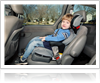
If you are a parent of a young child, one day you are going to wonder when you should switch from a car seat to a booster seat. At what age do you make the long-anticipated switch?
According to the National Highway Traffic Safety Administration (NHTSA), children should ride in a car seat with a harness until shoulders get to the point where they are above the top set of strap slots. In most cases, this occurs when a child reaches the age of four.
A standard car seat provides protection for the child's upper torso, head and neck. When a child outgrows their safety seat, they should switch to an age and weight appropriate belt-positioning booster seat.
Adult Seat Belts Don't Fit Young Children
Adult seat belts DO NOT fit young children properly. When you have a small child, the belt rides up around their waist and the shoulder belt crosses their neck or face. In this case, children will often place the belt behind their back or under their arm.
When a parent goes from a car seat to an adult seat belt, the child's safety is severely compromised; however, a booster seat prevents these problems.
Use an Age and Size Appropriate Booster Seat
A belt-positioning booster seat is a child safety seat that elevates the child so the lap and shoulder belt fits the child appropriately. When a child has outgrown a forward facing child safety seat, they should ride in a booster seat. Booster seats MUST be used with a shoulder and lap belt, and never with just a lap belt.
Booster seats come without and without backs; high-back booster seats are for vehicles with a low seat back where the child's head is not properly supported. Booster seats are designed for children between the ages of 4 and 8.
If you or your child was injured in an auto accident, use or directory to find a qualified car accident lawyer!