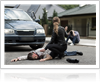
Car accidents can be deadly, whether they involve a vehicle and a pedestrian, or two motor vehicles that collide. Given the seriousness of car accidents and the thousands of lives that they claim each year, drivers are expected to take certain steps whenever they are involved in a crash, regardless if they are "at-fault."
When someone is involved in a car accident, they must stop and see if anyone was hurt. If anyone was injured, the drivers are responsible for calling 911 and seeking medical attention on behalf of the injured.
What You Must Do After an Accident
If you are involved in a car accident, you must take the following steps assuming your injuries do not prevent you from taking them:
- Check to see if anyone was hurt,
- If someone was hurt, call an ambulance, or
- If a working phone is not available, waive down motorists, or try and find help so the injured can receive prompt medical treatment.
You cannot, under any circumstances flee the scene of an accident. If you do, you will face criminal charges for a hit-and-run, even if you were not at fault for the accident. In Florida for example, a crash involving personal injuries is covered under Section 316.027 of the Florida Statutes.
Under this section, a hit-and-run does not have to involve two vehicles, it can include vehicle and a pedestrian, a bicyclist or motorcyclist, someone in a wheelchair, someone riding a skateboard or roller skates, or another driver.
In Florida, hit and run is a third degree felony, punishable by up to 5 years in prison, or up to a $5,000 fine, or both. Each state has enacted similar statutes.
Understandably, car accidents can be scary events, but no matter how much our adrenaline is pumping, we are required by law to stop and render aid and wait for the authorities to arrive.
Need a car accident attorney? Scroll through our directory to find one near you!