Fatigued Drivers: The Dangers of Yawning Behind the Wheel
Posted on Jun 18, 2018 4:05pm PDT
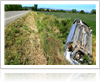
Most people are aware of drunken driving accidents and hear about it on the news frequently. What is less well known is that driving drunk is comparable to driving while sleepy or tired. A driver is more at-risk for collisions when fatigued in the early morning and the middle of the afternoon; one of the prime windows for an accident to occur is from 2 to 6 AM.
The National Transportation Safety Board said that 52 percent of 107 vehicle accidents with heavy trucks were related to fatigue. In a study done by the AAA Foundation for Traffic Safety, 41 percent of drivers admitted to falling asleep behind the wheel. Studies have also found that crashes with fatigued drivers tend to be especially bad because their reactions are slower than normal, causing head-on collisions.
Alarmingly, most people who are impaired by their tiredness don't even notice how tired they are.
These are the signs that you're approaching a dangerous level of fatigue:
- Heavy eyelids
- Yawning frequently
- A vehicle wandering outside of the lane
- Unstable speed changes
- Feeling anxious
- Daydreaming
- Slow reaction times
The U.S Department of Transportation said that in the 1990s, 30 percent of fatal accidents were fatigue-related. The National Highway Traffic Safety Administration reports that 1,550 deaths and 71,000 injuries occur every year due to fatigued driving. Research suggests that even moderate tiredness has the same impairing effect on our reflexes and perception as being drunk.
Those who have these professions are more likely to be in an accident caused by fatigue due to driving at night:
- Airline crew
- Commercial drivers
- Medical staff
- Sales representatives
- Journalists
According to the U.S Department of Transportation, stimulants such as coffee are not a proper substitute for sleep. Also, despite what people think, there is no way to catch up on sleep on the weekends and then draw upon the energy that is received from that during the week. Half of those involved in sleep-related accidents are under 25 years old, most of them male. The simplest suggestion is to get more sleep on a nightly basis.
There are 5 stages of sleep, and someone who receives 8 hours of sleep will get 5.5 hours of deep sleep—which is both healthier and safer in the long run. Studies have also shown that a 10-minute nap increases the alertness of a person for up to an hour afterward. Interestingly enough, this boost of energy doesn't happen after a 30-minute nap.
Regardless of your sleep schedule, it is vital to understand how to treat your body so that you don't find yourself getting in the car when you're tired.